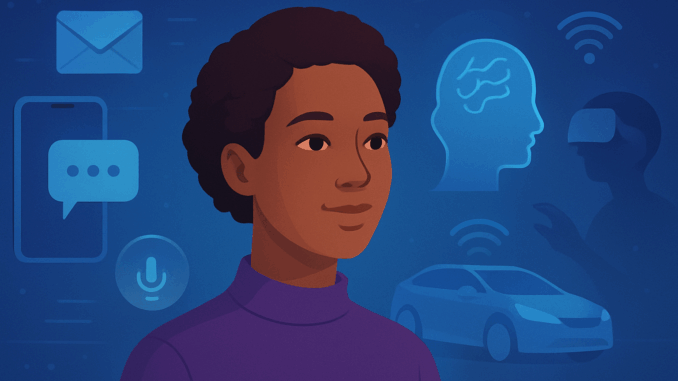
Artificial Intelligence (AI) is no longer a concept limited to science fiction movies or high-tech laboratories. Today, AI is seamlessly integrated into our daily lives, often in ways we do not notice. From smartphones and online shopping to healthcare, transportation, and entertainment, AI is shaping how people live, work, and interact with the world. As its capabilities grow, AI is becoming one of the most influential forces behind modern innovation.
This article explores how artificial intelligence is transforming everyday life, highlighting real-world applications, benefits, and the future possibilities of this groundbreaking technology.
1. AI in Smartphones and Personal Devices
One of the most common ways people experience AI is through smartphones and digital assistants. These devices use advanced algorithms to understand user behavior, personalize experiences, and automate tasks.
Key Examples
- Voice Assistants: Siri, Google Assistant, and Alexa use natural language processing (NLP) to understand questions and provide accurate responses.
- Camera Enhancements: AI-powered cameras adjust lighting, detect faces, and optimize image quality automatically.
- Personalized Recommendations: Phones learn user habits and suggest apps, reminders, or content based on daily routines.
Why It Matters
AI-driven personal devices make everyday tasks easier, improve productivity, and enhance user experience by adapting to individual preferences.
2. AI in Online Shopping and E-Commerce
AI has transformed the e-commerce industry by making online shopping faster, personalized, and more efficient. Every recommendation, product search, or personalized promotion is guided by advanced AI algorithms.
AI Features in E-Commerce
- Product Recommendations: AI analyzes browsing history, purchase behavior, and interests to suggest relevant items.
- Chatbots: Intelligent chatbots provide instant customer support and answer common questions.
- Price Optimization: Algorithms track demand, competitor pricing, and trends to adjust prices automatically.
- Fraud Detection: AI systems identify unusual activities to protect consumers from fraudulent transactions.
Impact on the Shopper
AI ensures that users have a more personalized shopping experience, saving time and making it easier to find desired products.
3. AI in Healthcare and Medical Innovation
Healthcare is one of the most positively disrupted industries due to AI. It enables faster diagnosis, better treatment plans, and more efficient care. AI-powered tools help doctors make accurate decisions based on real-time data.
Breakthrough Applications
- Disease Diagnosis: AI models analyze medical images to detect cancer, heart disease, and other conditions early.
- Virtual Health Assistants: These tools monitor health metrics and provide reminders for medications or appointments.
- Robotic Surgery: AI-enhanced robots assist doctors during surgeries, improving precision and reducing complications.
- Predictive Analytics: Hospitals use AI to predict patient admissions, manage resources, and prevent system overload.
Why AI Matters in Healthcare
AI improves accuracy, reduces human error, and ensures better patient outcomes. It also makes healthcare accessible through telemedicine and wearable health technologies.
4. AI in Transportation and Smart Mobility
Transportation systems are evolving rapidly because of AI. From smart traffic management to self-driving cars, AI is helping create safer and more efficient mobility solutions.
AI Innovations in Transportation
- Autonomous Vehicles: Self-driving cars use AI to detect surroundings, avoid collisions, and navigate safely.
- Smart Traffic Lights: AI systems monitor traffic flow and adjust signals in real-time to reduce congestion.
- Public Transport Optimization: AI predicts peak hours and improves route planning for buses and trains.
- Navigation Apps: Tools like Google Maps use AI to provide accurate routes, avoid traffic jams, and estimate travel time.
Impact on Society
AI-powered transportation reduces accidents, saves fuel, lowers emissions, and improves overall travel efficiency.
5. AI in Education and Personalized Learning
Education is becoming more interactive and inclusive, thanks to artificial intelligence. AI-powered tools allow students to learn at their own pace and provide teachers with valuable insights.
How AI Enhances Learning
- Smart Learning Platforms: Apps analyze student performance and create customized study plans.
- Virtual Tutors: AI tutors help students with homework and practice exercises.
- Automated Grading: AI evaluates assignments and exams quickly, saving time for teachers.
- Language Learning Assistants: AI-powered apps help learners improve pronunciation, vocabulary, and grammar.
Why It Matters
AI makes education more accessible, efficient, and personalized for learners of all ages.
6. AI in Entertainment and Media
Whether watching movies, listening to music, or browsing social media, AI plays a major role in shaping what users see and enjoy.
AI in the Entertainment World
- Streaming Platforms: Netflix, YouTube, and Spotify use AI to recommend content based on viewing or listening habits.
- Video Game AI: Modern video games include smart NPCs (non-player characters) that react more realistically.
- Content Creation: AI tools generate artwork, music, and even entire scripts for creative projects.
- Deepfake Technology: Although controversial, AI-generated videos showcase how advanced modern AI has become.
The Benefit
AI helps deliver more relevant content, creating a better user experience tailored to personal entertainment preferences.
7. AI in Smart Homes and IoT Devices
Smart homes are becoming the new standard, with AI managing household tasks, enhancing security, and improving energy efficiency.
Common AI Home Features
- Smart Thermostats: Devices learn temperature preferences and adjust settings automatically.
- AI Security Cameras: Systems detect unusual activities and alert homeowners instantly.
- Smart Appliances: Refrigerators, ovens, and cleaners use AI to optimize usage and save energy.
- Home Automation: AI controls lighting, music, and devices through voice commands or automated routines.
Why AI in Homes Matters
It increases comfort, safety, and energy efficiency, making everyday living more convenient and sustainable.
8. AI in Finance and Banking
Financial services rely heavily on AI for security, decision-making, and customer support. It enhances both user experience and business performance.
Financial Applications of AI
- Fraud Detection: AI identifies suspicious transactions in real-time.
- Automated Customer Service: Virtual assistants help customers with banking inquiries.
- Risk Assessment: Banks use AI to evaluate credit scores and predict financial risks.
- Algorithmic Trading: AI executes trades faster and more accurately than humans.
Impact on Consumers
AI makes banking safer, faster, and more user-friendly.
9. AI in Workplaces and Business Operations
Businesses across all sectors use AI to increase productivity, reduce costs, and improve decision-making.
AI in Modern Workspaces
- Task Automation: AI handles repetitive tasks like data entry and scheduling.
- HR and Recruitment: AI screens resumes and identifies the best candidates.
- Marketing and Analytics: Algorithms track trends, customer behavior, and competitor activities.
- Supply Chain Management: AI predicts demand, prevents shortages, and optimizes deliveries.
Why It Matters
AI allows businesses to make smarter decisions, improve efficiency, and gain a competitive advantage.
10. AI and Daily Communication
From messaging apps to email, AI affects communication in subtle but powerful ways.
Everyday AI Communication Tools
- Spam Filters: AI blocks unwanted emails before they reach your inbox.
- Smart Replies: Messaging apps suggest quick responses based on the conversation.
- Grammar and Writing Tools: AI editors help improve writing, detect tone, and correct mistakes.
The Result
Communication becomes faster, clearer, and more efficient in personal and professional settings.
Challenges and Ethical Concerns
While AI offers remarkable benefits, it also raises concerns that must be addressed responsibly.
Key Issues
- Privacy: AI collects and analyzes large amounts of personal data.
- Bias: AI systems may unintentionally reflect human biases.
- Job Displacement: Automation may replace certain job roles.
- Security Risks: AI-powered attacks and deepfakes can cause harm.
Addressing these challenges requires proper regulations, transparency, and responsible development practices.
Conclusion
Artificial intelligence is deeply woven into everyday life, impacting how people communicate, work, travel, learn, and entertain themselves. It enhances productivity, improves safety, and creates personalized experiences across digital platforms. As AI continues to evolve, it will unlock even greater possibilities—shaping a future where intelligent systems support nearly every aspect of human life.
Understanding how AI works and embracing its benefits will help individuals and businesses stay ahead in a rapidly changing world. The transformation has already begun, and the technologies we rely on today are only the beginning of what AI will bring in the years to come.