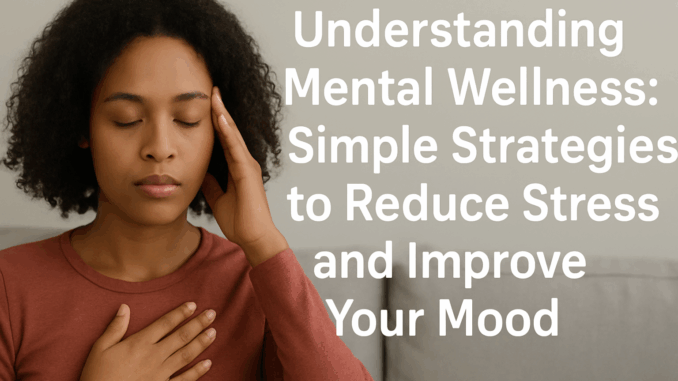
Mental wellness is an essential part of overall health, yet it is often overlooked in our fast-paced, modern world. Many people experience stress, fatigue, anxiety, or emotional exhaustion without realizing the long-term effects these issues can have on daily functioning and quality of life. Understanding mental wellness means recognizing how your thoughts, emotions, and behaviors influence your overall well-being—and learning how to care for your mind just as much as your body.
In this article, we’ll explore what mental wellness truly means, why it matters, and simple but effective strategies you can use to reduce stress, elevate your mood, and support long-term emotional balance.
What Is Mental Wellness?
Mental wellness refers to a state of emotional, psychological, and social well-being. It affects how you think, feel, and act every day. Maintaining good mental wellness does not mean you will never experience stress or negative emotions. Instead, it means building resilience, understanding your emotions, and adopting healthy habits that support emotional stability.
A person with strong mental wellness is able to:
- Cope with daily stress
- Maintain positive relationships
- Make thoughtful decisions
- Stay focused and productive
- Feel hopeful and confident
Just like physical fitness, mental wellness requires regular care and attention.
Why Mental Wellness Matters
In today’s world, stress levels are higher than ever. Long working hours, financial worries, digital overload, and constant multitasking can take a toll on your emotional health. When left unmanaged, chronic stress can lead to serious issues such as anxiety, depression, sleep disorders, low motivation, and even physical illnesses.
Maintaining mental wellness helps improve:
- Mood and emotional stability
- Energy levels and motivation
- Sleep quality
- Productivity and focus
- Self-esteem and confidence
- Relationships and communication
By developing healthy mental habits, you pave the way for a more peaceful, balanced, and fulfilling life.
Simple Strategies to Reduce Stress and Improve Your Mood
Improving mental wellness doesn’t require big life changes. Small, consistent habits can make a significant difference. Here are simple strategies backed by research and widely recommended by mental health experts.
1. Practice Deep Breathing to Calm the Mind
Deep breathing is one of the quickest and most effective ways to reduce stress. It triggers your body’s relaxation response by lowering heart rate, reducing tension, and increasing oxygen flow to the brain.
Try this technique:
- Breathe in deeply for 4 seconds
- Hold for 2 seconds
- Exhale slowly for 6 seconds
- Repeat for 2–3 minutes
This simple practice helps soothe anxiety and clears your mind.
2. Build a Consistent Sleep Routine
Your brain needs rest to function properly. Poor sleep increases irritability, reduces focus, and weakens your emotional resilience.
Improve sleep with these tips:
- Go to bed and wake up at the same time daily
- Avoid screens an hour before bedtime
- Keep your room dark and cool
- Reduce caffeine in the afternoon
Aim for 7–9 hours of sleep to support better mood and mental clarity.
3. Move Your Body for Natural Stress Relief
Exercise is not only good for your physical body—it is one of the most powerful tools for mental wellness. Physical activity triggers the release of endorphins, often called “feel-good” hormones.
You don’t need intense workouts. Even gentle activities help:
- Walking
- Stretching
- Yoga
- Cycling
- Dancing
Just 20–30 minutes a day can significantly reduce stress and improve your mood.
4. Connect with People Who Uplift You
Humans are social beings. Healthy relationships play a vital role in emotional well-being. Talking to someone you trust can help reduce stress and shift your mood in a positive direction.
Ways to nurture connection:
- Call a family member
- Meet a friend for coffee
- Join a club or community group
- Spend quality time with loved ones
Healthy connections reduce loneliness, improve self-worth, and bring a sense of belonging.
5. Limit Negative Inputs, Including Social Media
Digital overload can weaken mental wellness. Constant exposure to news, online conflicts, or unrealistic comparisons on social media can trigger anxiety and stress.
Try these habits:
- Set a time limit for social apps
- Take digital breaks
- Unfollow accounts that bring negativity
- Spend more time offline doing activities you enjoy
Your mind flourishes when it is protected from unnecessary stressors.
6. Practice Gratitude to Improve Emotional Balance
Gratitude has been shown to reduce stress and increase overall happiness. Focusing on positive aspects of your life shifts your mindset from what’s missing to what’s meaningful.
Start simple:
- Write 3 things you’re grateful for each day
- Share your gratitude with someone you love
- Keep a gratitude journal
This practice can help rewire your brain to recognize positivity more easily.
7. Try Mindfulness or Meditation
Mindfulness helps you stay present instead of worrying about the past or future. Meditation enhances self-awareness, emotional regulation, and inner calm.
Even just a few minutes each day can help you:
- Reduce stress
- Improve focus
- Enhance emotional stability
- Feel more grounded
Free apps, guided videos, or simple quiet moments can help you get started.
8. Nourish Your Body with Healthy Foods
What you eat affects your brain as much as your body. A balanced diet helps maintain stable blood sugar levels and supports emotional health.
Foods that improve mood include:
- Whole grains
- Nuts and seeds
- Leafy greens
- Fatty fish
- Fruits like bananas and berries
Avoid excessive sugar or caffeine, which can cause mood swings.
9. Declutter Your Space for Mental Clarity
A cluttered environment can create mental noise, making it difficult to think clearly or feel relaxed. Organizing your living or working space helps reduce stress and improve focus.
Start with small tasks like:
- Cleaning your desk
- Organizing your room
- Removing unused items
A tidy environment supports a tidy mind.
10. Do Activities That Bring Joy
Joyful activities help release dopamine, a neurotransmitter responsible for pleasure and motivation. Engaging in hobbies is one of the most effective ways to improve mood.
Examples include:
- Reading
- Painting
- Cooking
- Gardening
- Listening to music
- Playing sports
Make time for at least one enjoyable activity every day, even if it’s only for a few minutes.
11. Set Healthy Boundaries to Reduce Stress
Saying “yes” to everything often leads to burnout. Setting boundaries protects your time, energy, and emotional space.
Boundaries may include:
- Limiting work after office hours
- Saying no to overwhelming requests
- Taking breaks when needed
- Prioritizing your mental health
Healthy boundaries create balance and control in your life.
12. Seek Professional Support When Needed
There is no shame in seeking help. Mental health professionals offer guidance, tools, and support when emotions feel overwhelming.
Consider reaching out if you experience:
- Persistent sadness
- Difficulty sleeping
- Loss of interest in daily activities
- Constant worry or fear
- Trouble concentrating
Getting support early can prevent symptoms from becoming more serious.
Final Thoughts: Mental Wellness Is a Journey, Not a Destination
Improving mental wellness is an ongoing process. It requires awareness, consistency, and compassion toward yourself. By practicing simple habits like deep breathing, exercising, sleeping well, eating nutritious foods, limiting negative influences, and building strong relationships, you can significantly reduce stress and elevate your mood.
Small changes add up. Start with one or two strategies from this list and slowly build your mental wellness routine. With time, you’ll feel calmer, happier, more energized, and more in control of your emotions.